




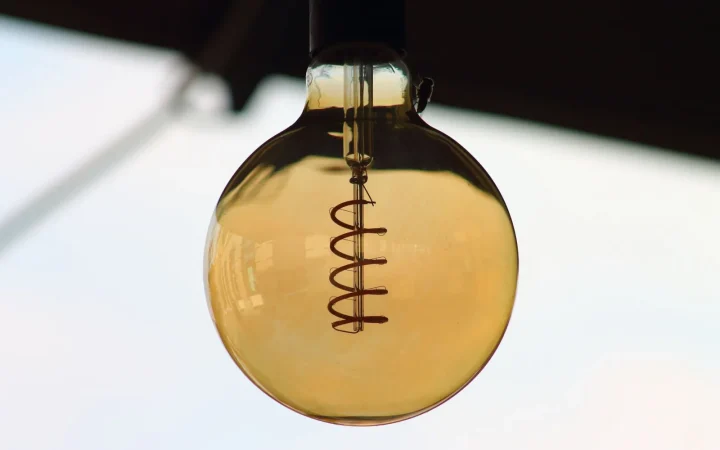
Why Watts Per Gallon Stopped Working
One rule, two lamp technologies, and the moment a proxy measurement stopped predicting anything useful about what a plant receives.
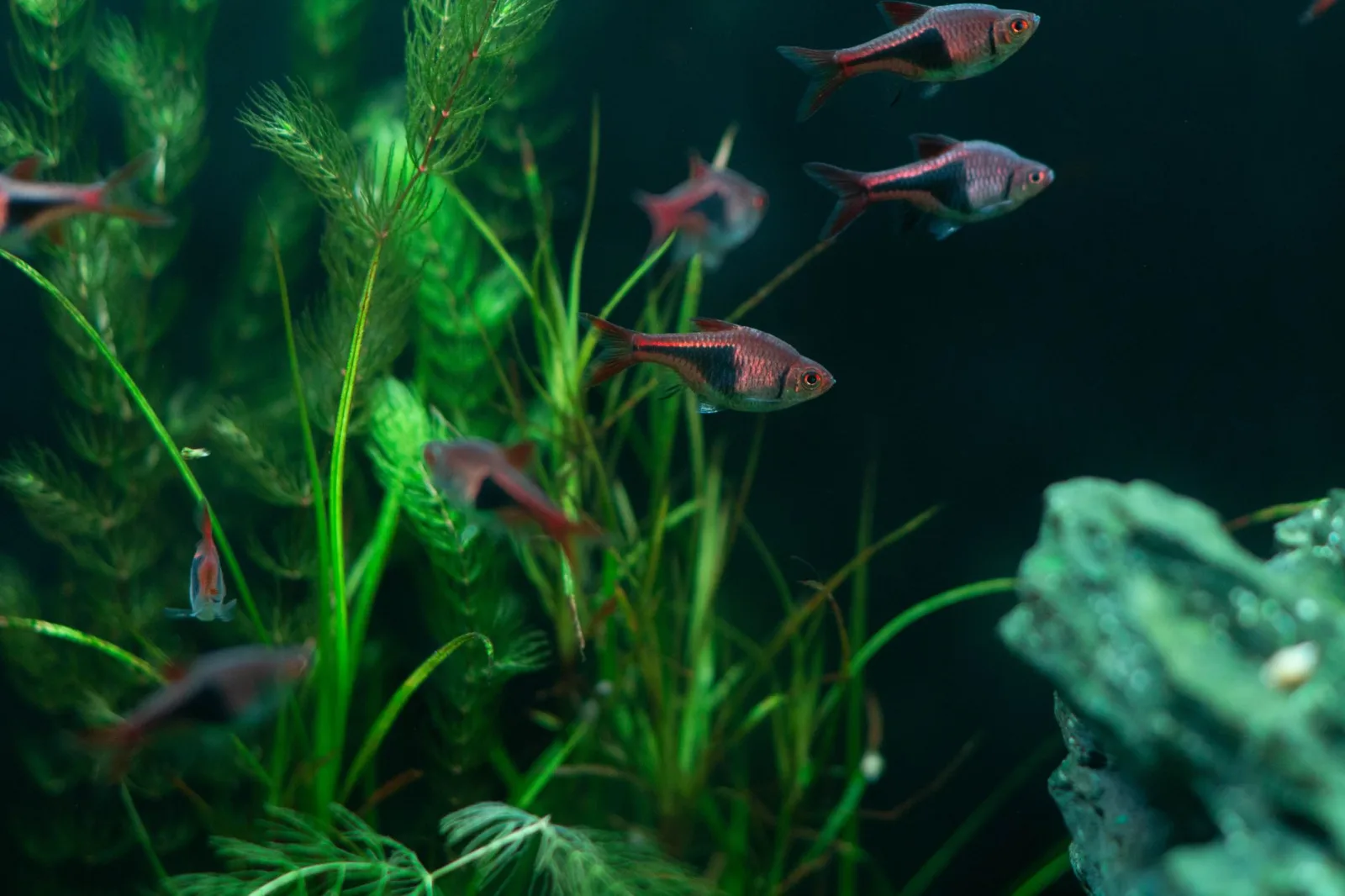
Aquarium equipment, explained properly
Filters lose flow, heaters drift out of calibration, and pumps start rattling months before they quit. TankMend covers sizing, setup, and repair for every piece of hardware in your tank, with real numbers instead of guesswork.
Explore by topic
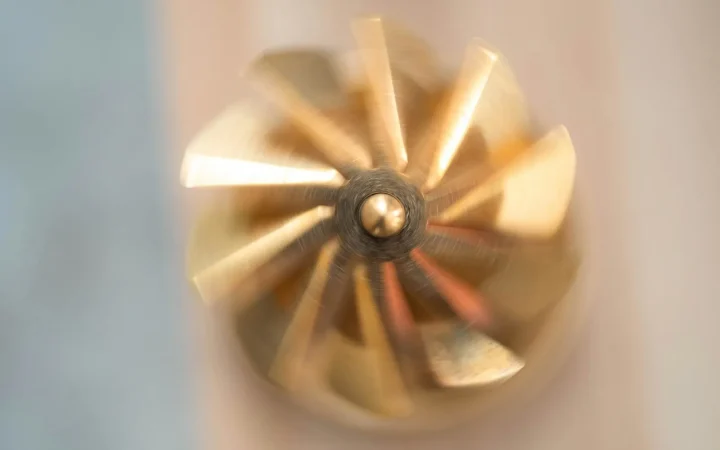
Water that does not move develops cold pockets, dead spots, and a surface film that blocks gas exchange....
5 guides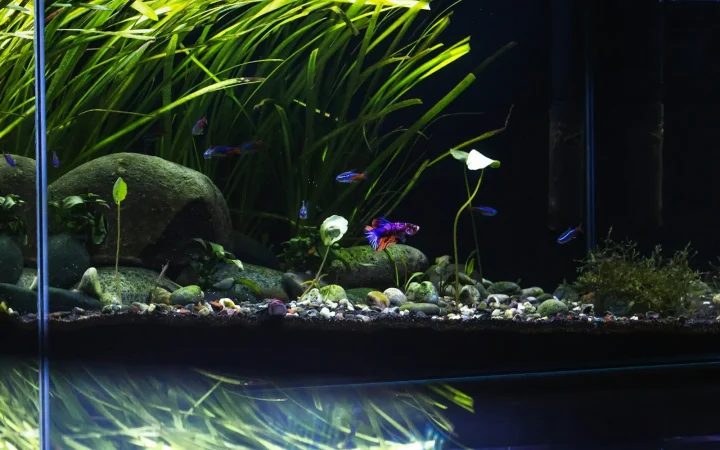
Lighting decides whether your plants grow, your algae takes over, or your fish colors look washed out, and...
7 guides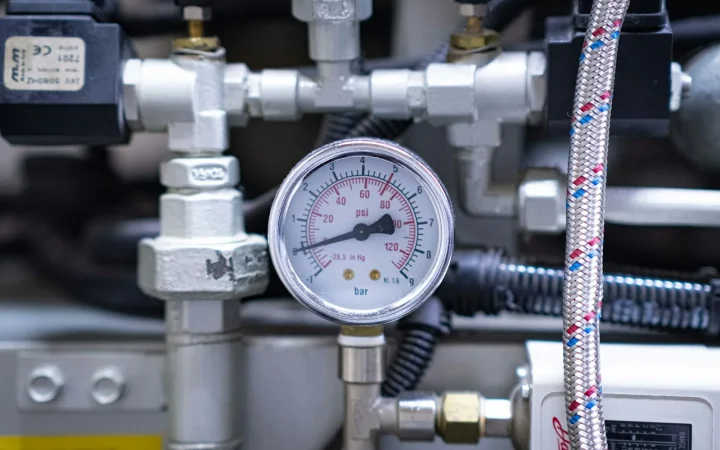
Injected CO2 is the difference between plants that survive and plants that fill a tank, and it is...
4 guides
The filter is the one piece of gear that never gets a night off, and most tank problems...
6 guides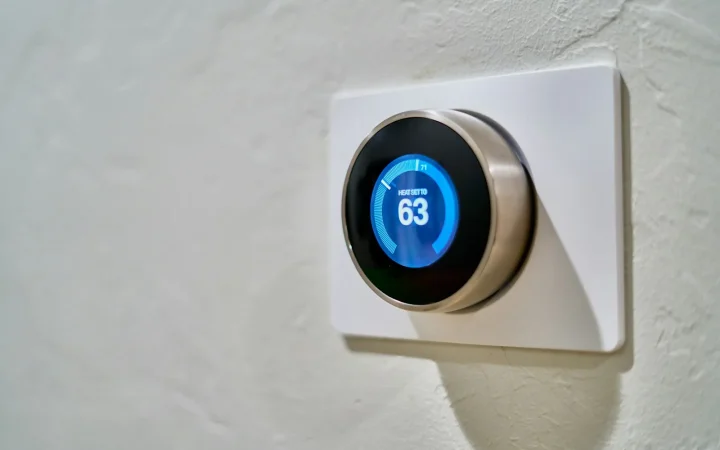
A heater failure is the fastest way to lose a tank, and it usually gives warning signs days...
5 guides
Gear fails in patterns, and once you know the pattern the repair is usually cheap. This section is...
5 guidesEditor's picks
The guides readers come back to, and the ones we would hand a friend setting up their first tank.
Latest articles
One rule, two lamp technologies, and the moment a proxy measurement stopped predicting anything useful about what a plant receives.
Crystallized sea salt does not sit still on a cable, it climbs, and where it arrives is usually a plug carrying mains...
A species by species table of what each common aquarium plant needs at substrate level, and exactly how each one fails when...
Run the checks in cost order and most flow problems resolve for nothing, long before you reach the part that needs buying.
The jar of petroleum jelly in half the fish rooms I visit has quietly destroyed more seals than age ever has.
Aiming a powerhead at the debris pile scatters it for twenty minutes, while aiming it to close the circulation loop clears it...
Why trust TankMend
Weekly guide
A single email, every Tuesday, covering one piece of gear: how to size it, how to keep it alive, and what its failure looks like before it happens.
No spam, no sponsored placements. Unsubscribe in one click.
Quick answers
Aim for four to six times your tank volume in turnover per hour for a community tank, and closer to eight to ten times for a heavily stocked or messy setup like goldfish or cichlids. A 200 litre community tank wants roughly 800 to 1,200 litres per hour. Bear in mind that the flow rate printed on the box is measured with no media and no head height, so expect real-world output to land around 30 percent lower.
The old rule of 5 watts per gallon runs hot for most homes. Around 2 to 3 watts per litre works if your room sits within a few degrees of your target temperature, so a 100 litre tank is usually fine on 200 watts. If the room drops below 18C in winter, size up or run two smaller heaters at opposite ends, which also means a single failure cannot cook or chill the whole tank.
Rinse mechanical media such as sponges and floss every two to four weeks in old tank water, never under the tap. Biological media like ceramic rings or bio-balls should be left alone for months and only swished gently when flow drops. Chlorine from tap water kills the bacterial colony you spent weeks growing, and a filter cleaned too aggressively is a common cause of a sudden ammonia spike.
It is, when it is controlled. Problems come from uncontrolled injection rather than CO2 itself. Keep your drop checker in the green, target a pH drop of about 1.0 from your degassed baseline, run the solenoid on a timer that stops CO2 an hour before lights out, and keep surface agitation running overnight. Fish gasping at the surface in the evening is the signal to cut the bubble rate immediately.
Usually not, but it is telling you something. A new hum after months of quiet running normally means an impeller has picked up debris, a bearing has worn, or an air pump diaphragm has stiffened. Pull the impeller and check the shaft for wear grooves first, since that is the cheapest part and the most common cause. A grinding noise, in contrast to a hum, means metal contact and deserves attention within days.