CO2 Diffusers vs Reactors Compared
Dissolution rates, working pressure, flow penalty and running cost for five ways of getting carbon dioxide into aquarium water.
Injected CO2 is the difference between plants that survive and plants that fill a tank, and it is also the piece of equipment most likely to harm fish when it goes wrong. This section builds the whole system from the cylinder up: regulators and solenoids worth buying, needle valves that hold a steady bubble count, diffusers and reactors compared honestly, and the drop checker readings that tell you where you actually stand. There are guides on dialing in injection rates without gassing your stock, timing CO2 against your light schedule, and diagnosing the end-of-tank dump that empties a cylinder into the water overnight. You will also find lower-cost paths, including DIY yeast systems and liquid carbon, with a clear account of what each one can and cannot do. Every guide gives bubble rates, pH swing targets, pressure settings, and the specific signs that your injection is too high.
4 guidesDissolution rates, working pressure, flow penalty and running cost for five ways of getting carbon dioxide into aquarium water.
A three week ramp built around a measured pH drop, with the daily checks that catch trouble before fish start breathing at...
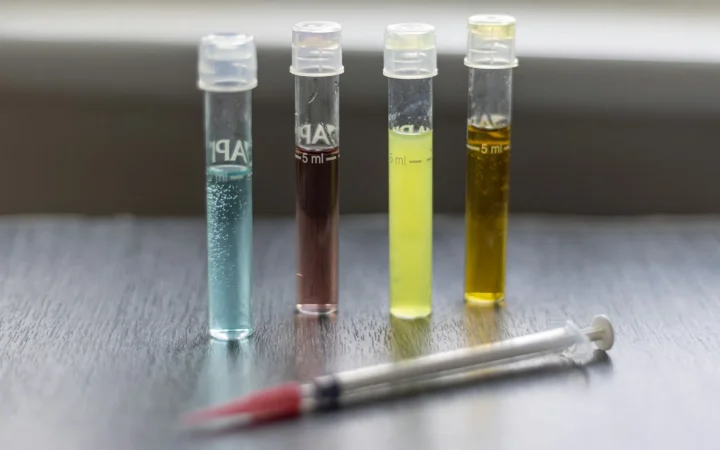
How the sealed air gap works, why the fluid must be 4 dKH, and why the colour is always slightly out of...
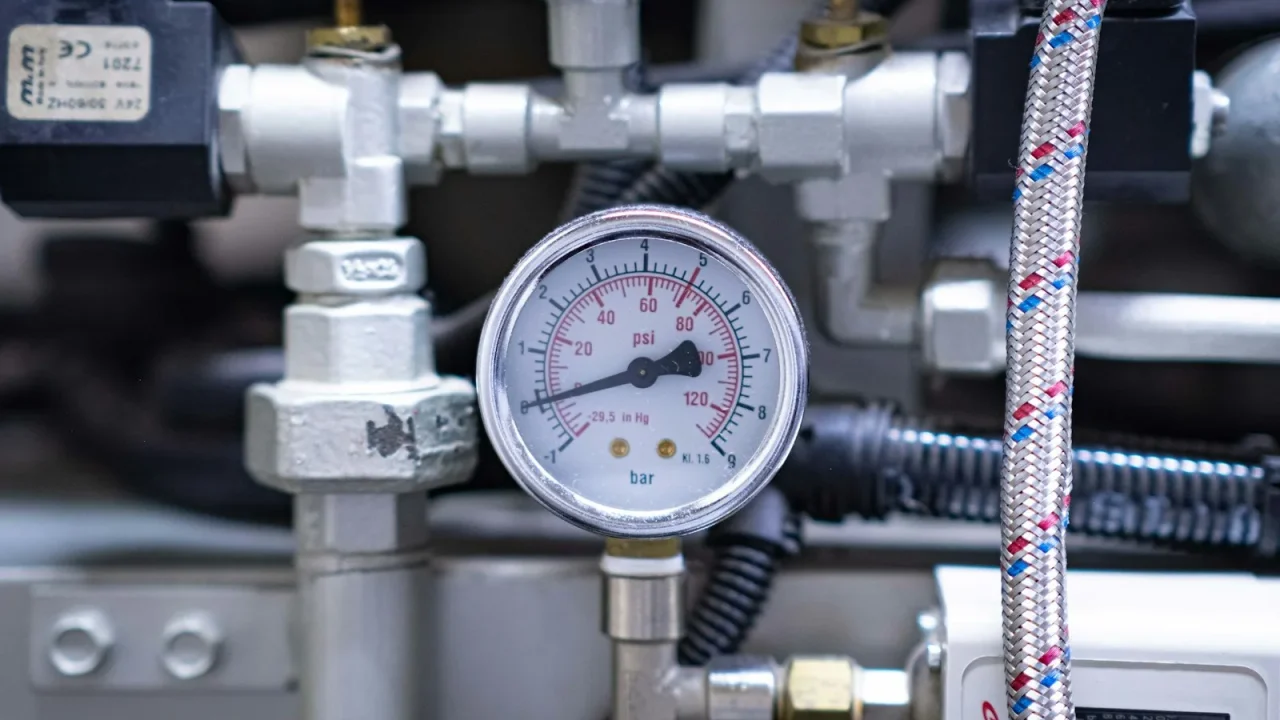
The eight components between pressurised gas and dissolved carbon, what each one does, and the order in which to commission them safely.